If you are torn between Downtown Boston and Brookline, you are not alone. These two locations are close on a map, but they can feel very different once you picture your daily routine, home style, and long-term goals. The good news is that each offers a strong lifestyle in its own way, and the right choice usually comes down to how you want to live. Let’s break it down.
Downtown Boston vs. Brookline at a Glance
Downtown Boston is the city’s central hub. It is home to City Hall, major employers, condos and apartments, the Freedom Trail, Faneuil Hall, Boston Common, the Rose Kennedy Greenway, and miles of waterfront.
Brookline is a separate town about four miles from downtown Boston. It describes itself as a mature suburban community with urban characteristics, with a strong residential identity, green space, historic preservation, and a close connection to Boston.
At a high level, Downtown Boston offers a more urban, mixed-use lifestyle, while Brookline offers a more residential, neighborhood-oriented setting. If you start with that distinction, the rest of the decision becomes easier.
Compare the Overall Feel
Downtown Boston feels active and central
If you want to step outside and feel the energy of the city right away, Downtown Boston is hard to beat. The area is shaped by offices, restaurants, theaters, hotels, transit connections, public spaces, and a steady flow of people throughout the day.
It is also a district in transition. Boston is actively encouraging more housing growth, adaptive reuse, and office-to-residential conversion downtown, so the area should be viewed as an evolving residential market, not just a traditional business center.
Brookline feels residential and established
Brookline offers a different pace. The town is mostly residential, with less than 6% of its land zoned for commercial use, and it places clear emphasis on green space, historic preservation, and neighborhood livability.
That does not mean Brookline feels isolated from the city. It means your day-to-day environment is likely to feel more settled and home-focused, even while remaining close to Boston.
Think About Housing Style
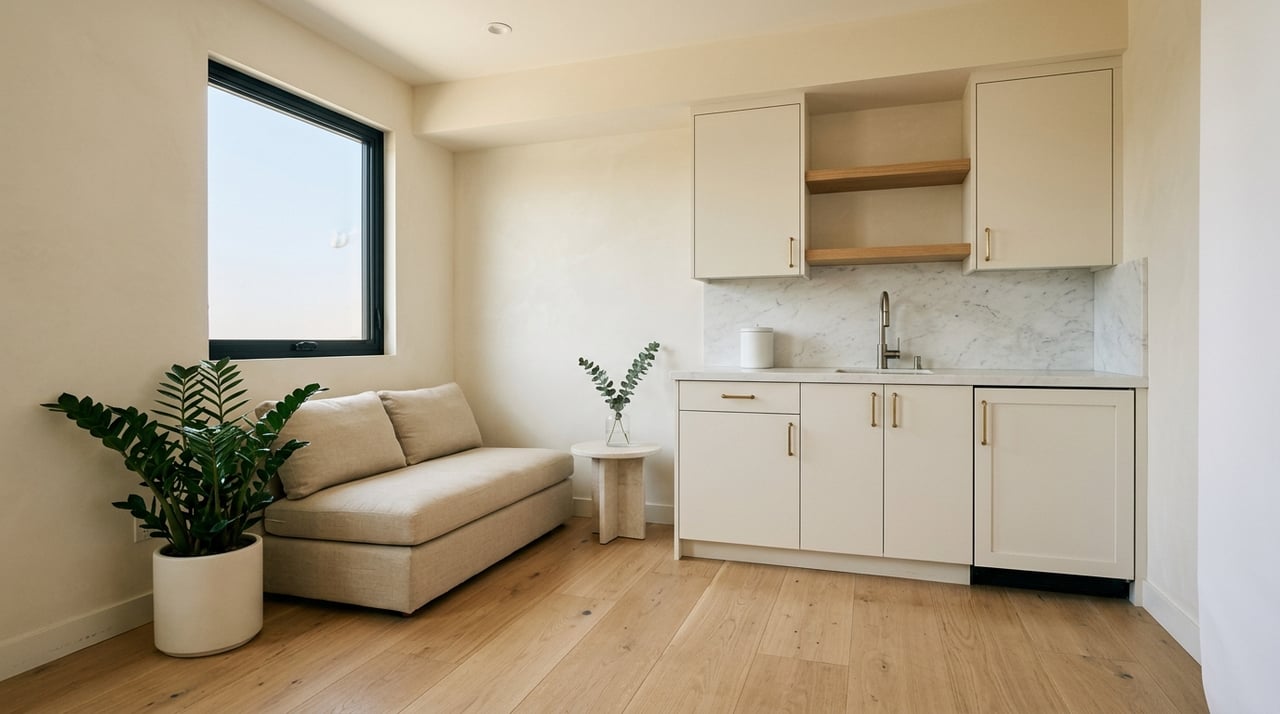
Downtown Boston leans condo and apartment
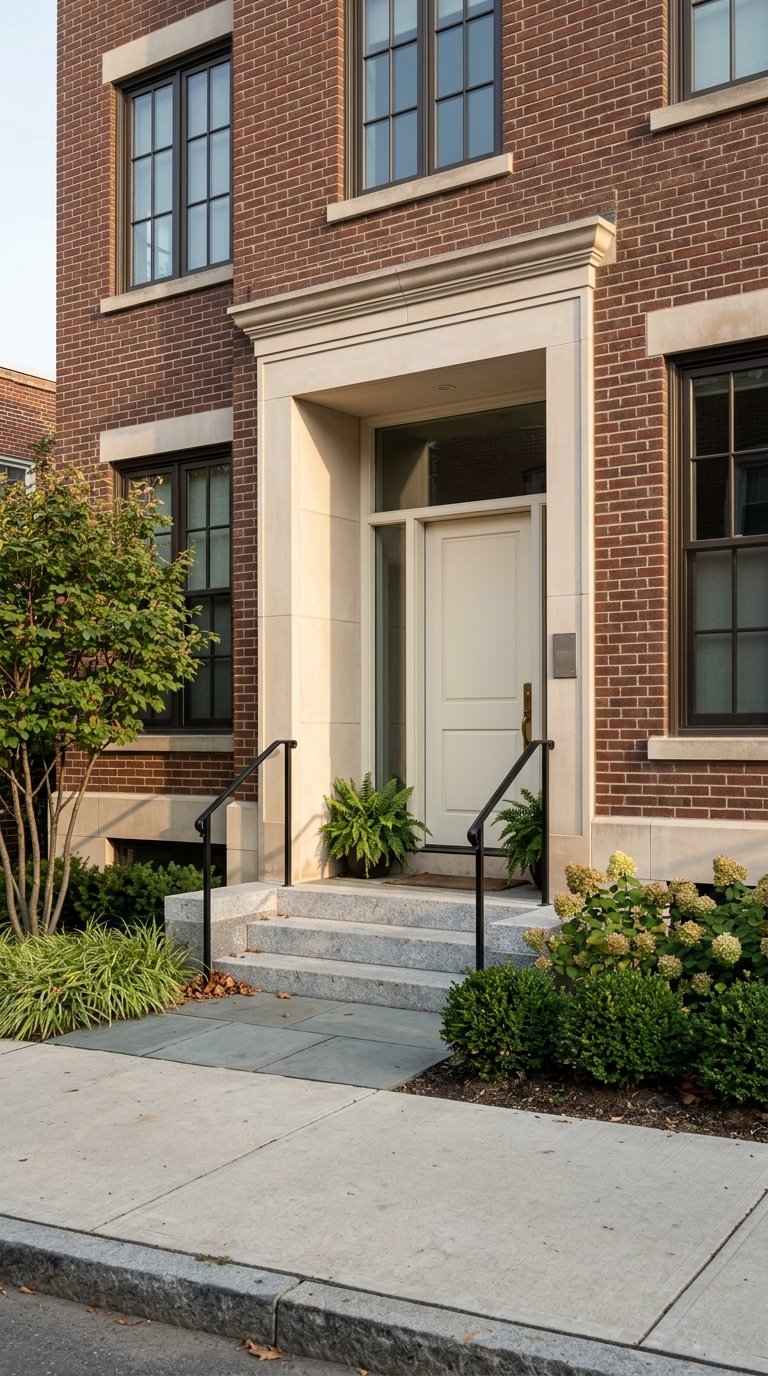
Housing in Downtown Boston is strongly oriented toward condos and apartments. Boston notes that the area includes everything from historic apartment buildings to modern glass towers.
The housing profile reinforces that pattern. In 2025, 54.9% of units had 0 to 1 bedrooms, 36.3% had 2 bedrooms, and only 8.8% had 3 or more bedrooms. The same profile shows that 63.9% of housing units were renter-occupied.
For you, that likely means Downtown is a better fit if you want:
- A condo lifestyle
- A smaller footprint with less maintenance
- A home close to work, dining, and transit
- A modern or high-rise living environment
Brookline offers more variety
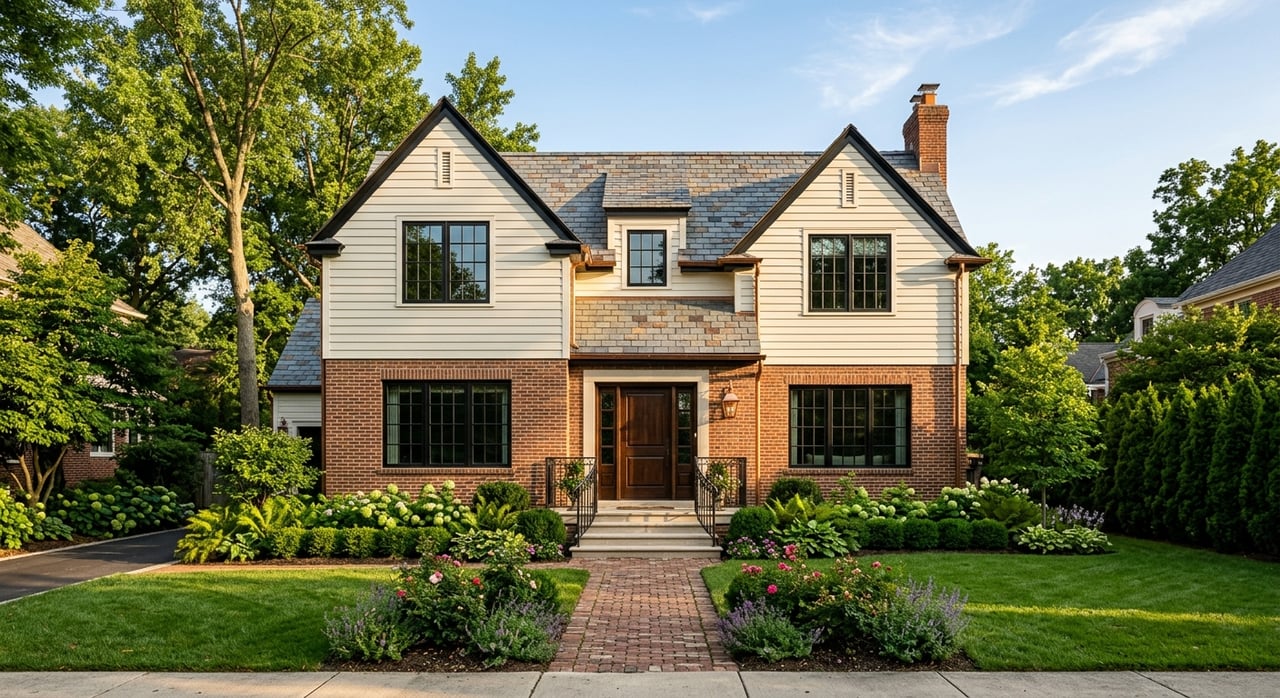
Brookline has a broader housing mix than many buyers first assume. Its zoning includes single-family, single-family convertible to two-family, two-family, three-family, and multi-family residential districts.
That variety matters because it expands your options. Depending on the area, you may find a range of home types rather than one single pattern.
If you are looking for more flexibility in layout or property style, Brookline may align better with your search. It is not limited to detached houses, and it is not defined only by one type of residential product.
Consider Ownership Patterns and Pricing Context
Both Downtown Boston and Brookline serve high-income markets. Downtown Boston’s 2025 median household income was $129,759, while Brookline’s 2024 median household income was $142,101.
Brookline’s current Census data shows an owner-occupied rate of 46.9% and a median value of owner-occupied housing units of $1,246,800. That points to a high-demand ownership market.
Downtown, by contrast, is more renter-heavy. That does not make it any less attractive to buyers, but it does help explain the area’s more apartment- and condo-centered character.
Look at the Commute Question
Downtown Boston is the easiest choice for core-city access
If your work and daily routines are centered in Boston’s urban core, Downtown often reduces commute friction. It is a major employment center, and Boston Planning reports that Downtown had 181,955 payroll jobs in 2023, or 25.3% of the city’s payroll jobs.
The city also highlights transit access, walkability, and ongoing efforts to improve biking and pedestrian safety. In practical terms, many daily needs and destinations are close together.
Brookline stays connected without feeling fully urban
Brookline is also transit-rich, just in a more neighborhood-scale way. The town highlights Green Line access through the C, D, and B branches, along with bus routes 51, 60, 65, and 66.
Brookline’s Census profile shows a mean travel time to work of 27.1 minutes. For many buyers, that supports the appeal of living in a more residential setting while still staying well connected to Boston, including routes toward downtown and the Longwood Medical Area.
Ask Yourself How You Want to Live
When buyers compare these two areas, the decision is often less about distance and more about lifestyle.
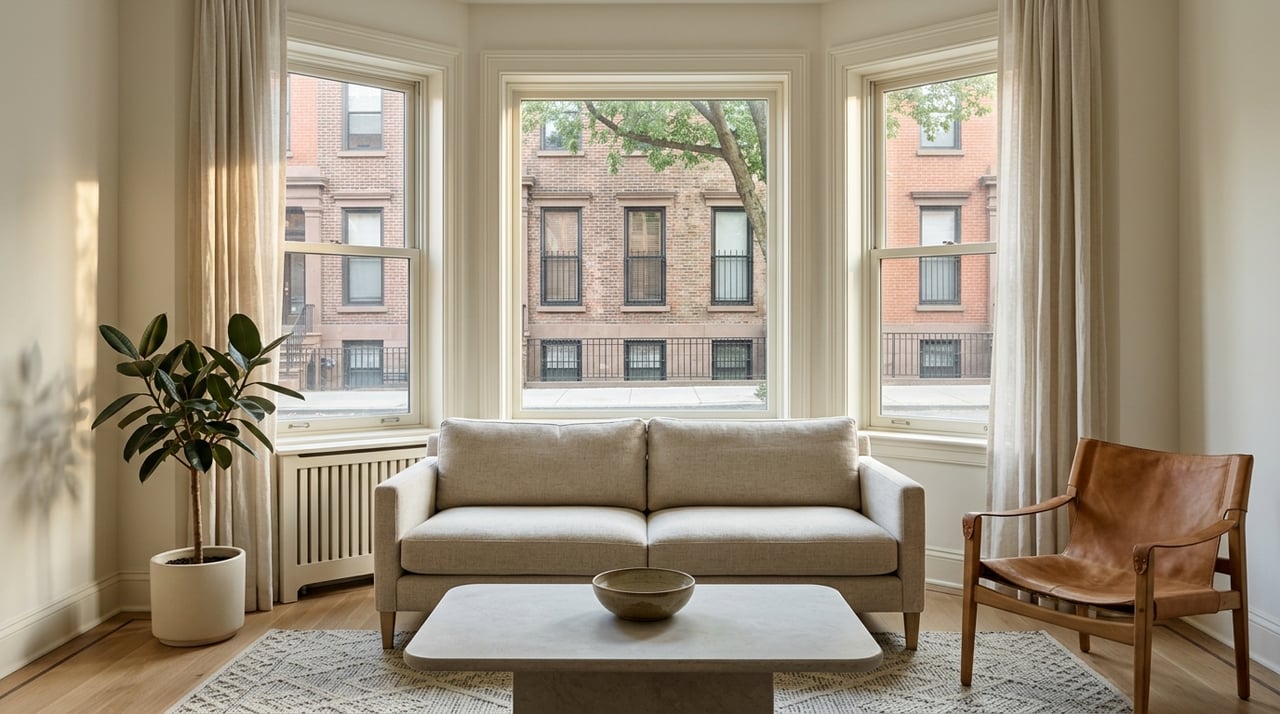
Downtown Boston may fit you better if you want your home to support a true city routine. You may value being able to walk to restaurants, public spaces, offices, and transit, and you may be comfortable with a condo or apartment layout.
Brookline may fit you better if you want a more residential environment with a stronger neighborhood feel. You may still want transit access and closeness to Boston, but prefer a setting that feels more grounded in residential streets and everyday community life.
Is Brookline Close Enough to Boston?
Yes. Brookline says it is about four miles from downtown Boston and is surrounded by Boston on three sides.
That is one of the biggest reasons it remains so appealing. You can stay close to the city while choosing a different day-to-day setting.
Is Downtown Only for Buyers Without Cars?
Not necessarily. But between the two options, Downtown is the more walkable and transit-oriented environment.
Boston specifically emphasizes walking, biking, and transit access in its downtown planning efforts. So if you want to rely less on driving, Downtown will usually feel more natural.
Which Area Feels More Residential?
Brookline is the more residential of the two. Its land use, zoning structure, and town identity all point in that direction.
Downtown Boston is more mixed-use and urban. It combines housing with offices, hospitality, civic spaces, tourism, and entertainment in a way that creates a much busier atmosphere.
A Simple Way to Decide
If you are still unsure, try framing your choice around three practical questions:
1. What home type do you want?
If you are focused on condos, apartment living, and a smaller-maintenance setup, Downtown Boston may be the clearer match. If you want broader housing options, Brookline gives you more variety.
2. What should your daily routine feel like?
If you want activity at your doorstep, Downtown stands out. If you want a more residential setting that still stays connected to Boston, Brookline may feel more comfortable.
3. How important is immediate city access?
If being in the center of Boston is a priority, Downtown has the edge. If you are comfortable being nearby rather than in the middle of it, Brookline offers that balance.
Choosing a home here is not just about square footage or commute time. It is also about where you will feel most at ease in your next chapter.
If you want thoughtful guidance as you compare Boston and Brookline, Juliana Safar offers a polished, relationship-first approach built around clear strategy, local insight, and support through every step.
FAQs
Is Downtown Boston or Brookline more urban for homebuyers?
- Downtown Boston is more urban and mixed-use, while Brookline is more residential in tone.
Is Brookline close enough for buyers who work in Boston?
- Yes. Brookline is about four miles from downtown Boston and is connected by multiple Green Line branches and bus routes.
Is Downtown Boston mostly condos and apartments?
- Yes. Downtown housing is largely condo- and apartment-oriented, and smaller units make up most of the housing stock.
Is Brookline only single-family housing for buyers?
- No. Brookline includes single-family, two-family, three-family, and multi-family residential districts.
Which location may suit a buyer who wants walkability and transit access?
- Downtown Boston is usually the stronger fit for buyers who want immediate walkability and a highly transit-oriented lifestyle.