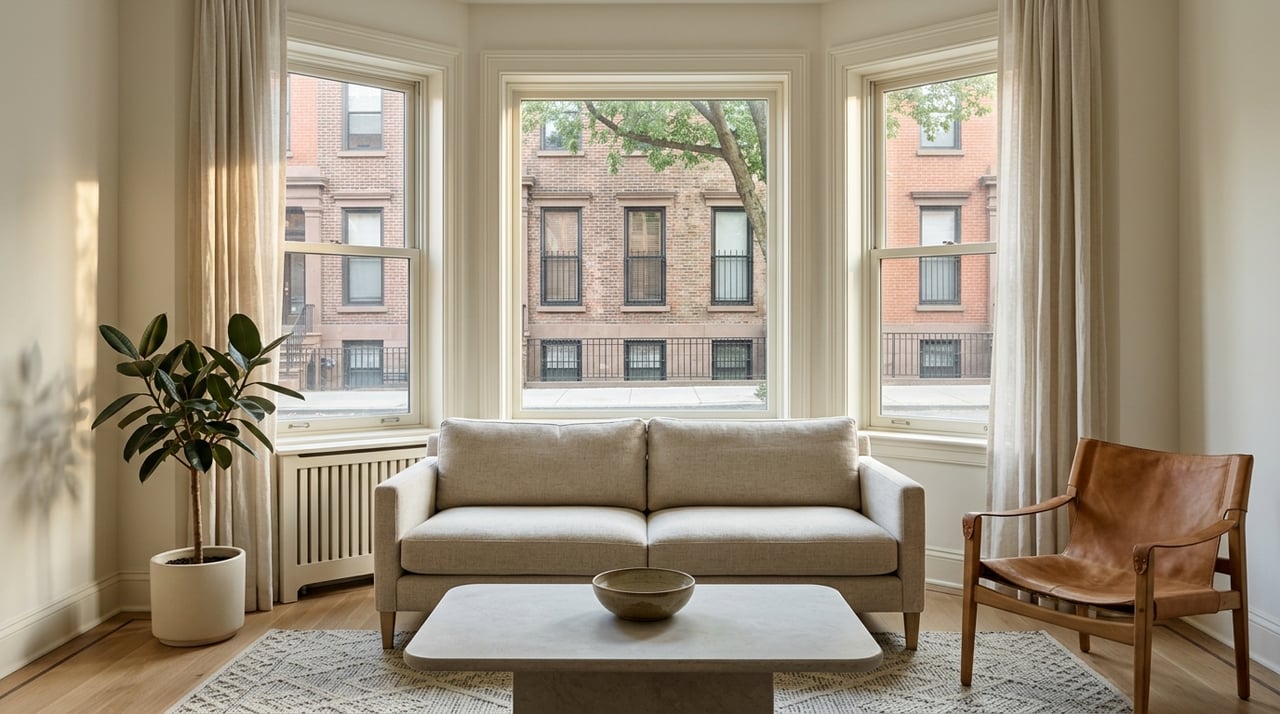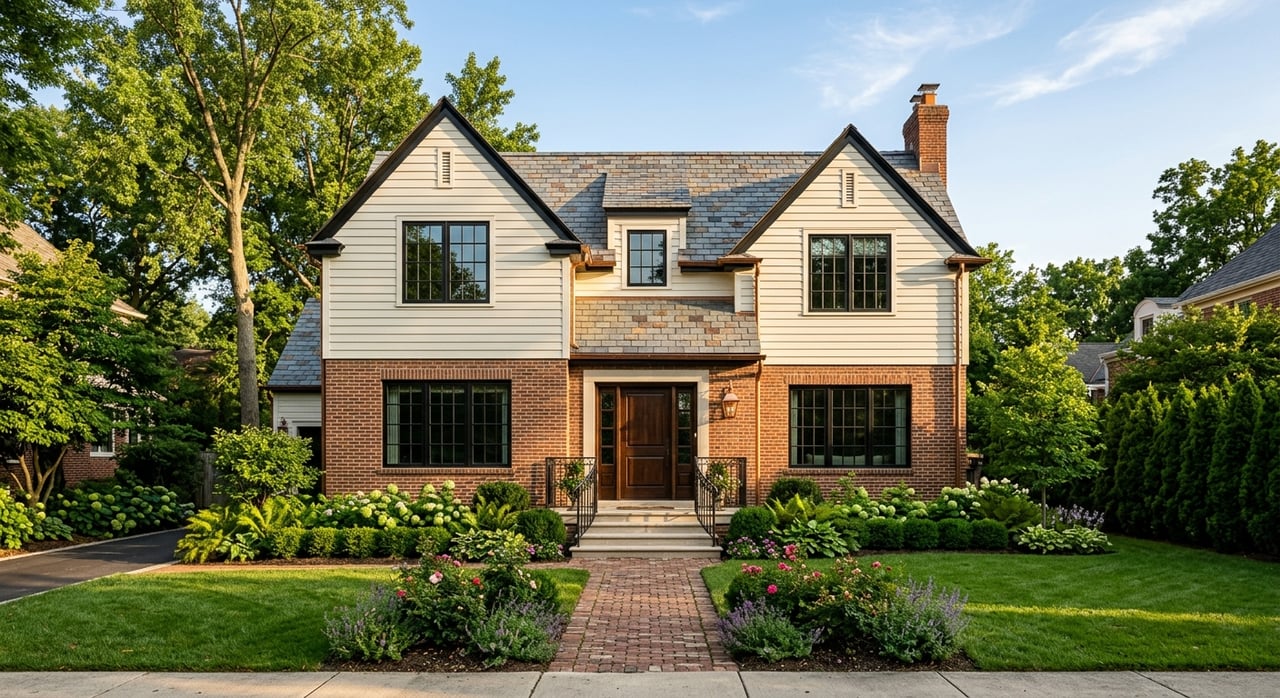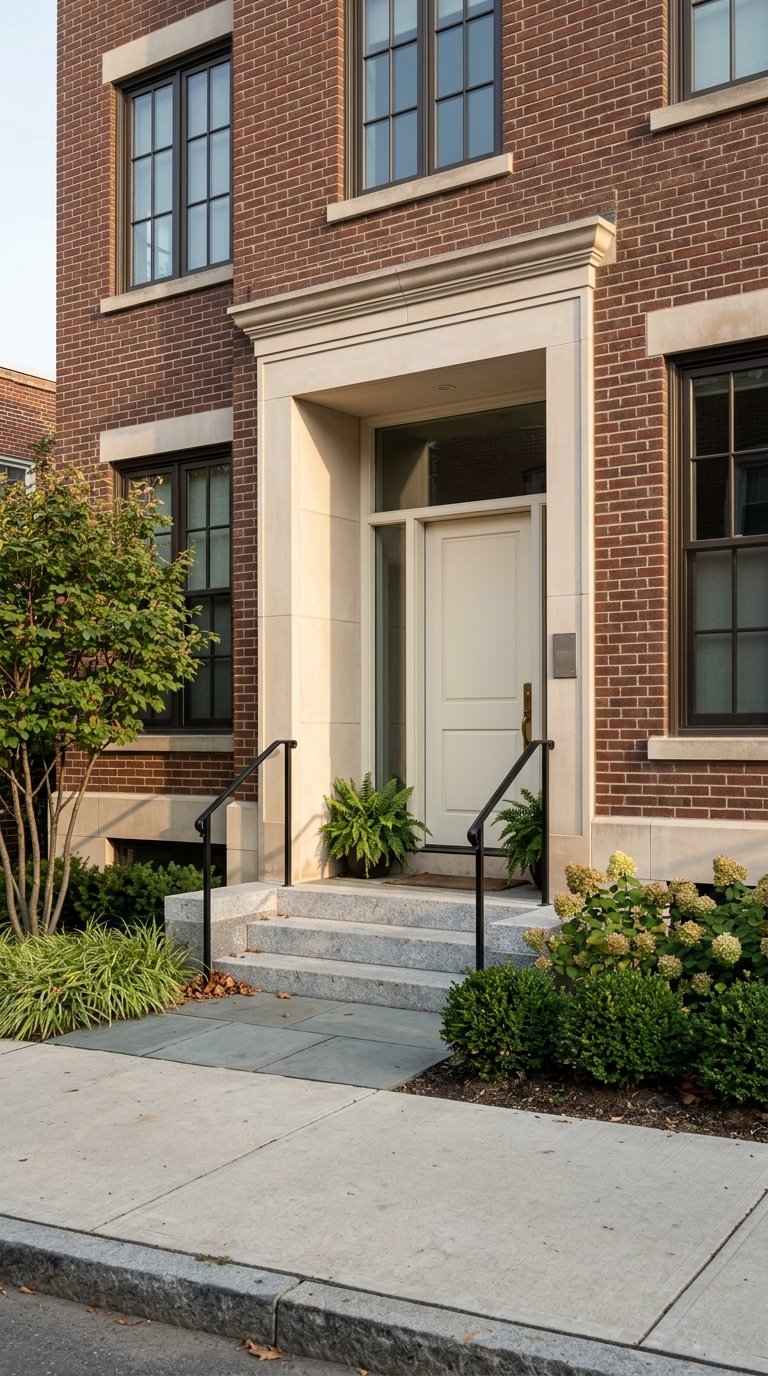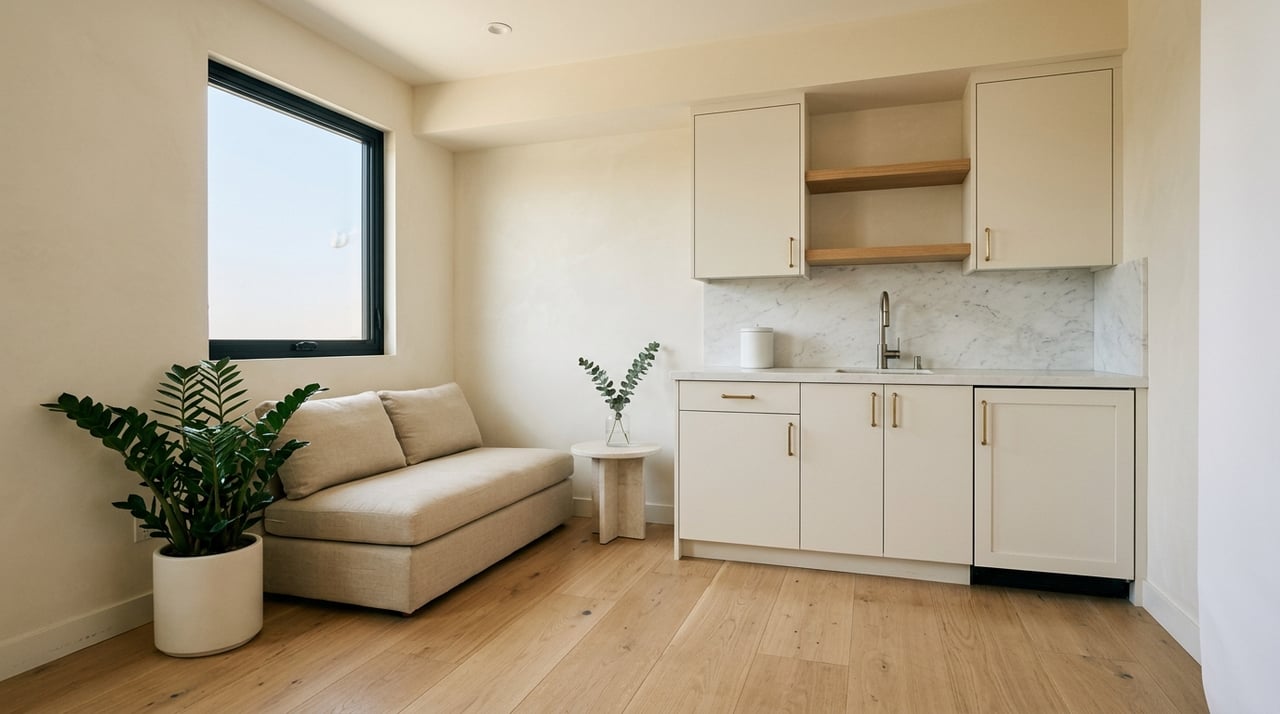
If you have looked at Brookline home prices and wondered whether there is a smarter way to buy, you are not alone. In a market where home values are high and rental demand is part of the local housing picture, many buyers want a path that helps them live well while offsetting costs. This guide will walk you through the house hacking options that may fit Brookline, what local rules matter most, and what to verify before you make an offer. Let’s dive in.
Why house hacking stands out in Brookline
Brookline is not a low-cost market. The Census Bureau lists the median owner-occupied home value at $1,246,800 for 2020 through 2024, and Brookline’s 2024 Housing Production Plan notes that affordability remains a persistent gap.
That pressure is one reason house hacking gets attention here. Brookline also has a meaningful rental base, with 28,274 dwelling units and a housing mix that includes single-family, two-family, and three-family properties, according to town reports. If you want to live in one part of a property and generate income from another, Brookline offers some real possibilities, but they depend heavily on zoning and property type.
What house hacking means here
In simple terms, house hacking means you live in the property while using part of it to help cover ownership costs. That could mean buying a small multifamily, creating an accessory dwelling unit, or choosing a condo setup where your documents allow rental use.
In Brookline, the idea is less about trendy shortcuts and more about choosing a structure that fits local rules. The cleanest options are usually long-term strategies tied to legal use, not informal arrangements.
Small multifamily is often the clearest option
For many Brookline buyers, an owner-occupied two- to four-unit property is the most straightforward house hacking path. The reason is simple: this model already matches the idea of living in one unit and renting the others.
Brookline zoning allows certain conversions depending on district. The town’s zoning framework allows conversion of a single-family detached dwelling to a two-family in SC or T districts, or conversion to create additional units in F or M districts, as long as the structure meets dimensional rules.
There is also a possible special permit path. The Board of Appeals may waive some dimensional requirements if existing nonconformities are not worsened, but that does not mean every property will qualify. You need to confirm the exact zoning district and the approval path before assuming the numbers work.
Why this model appeals to buyers
A small multifamily can give you a more direct income strategy than other house hacking models. You are buying a property that is already designed, or may be legally designed, for more than one household.
This can also simplify your long-term plan. Instead of relying on a workaround, you are buying into a use that is more clearly recognized within Brookline’s zoning structure.
ADUs can work in the right setup
A single-family home plus an accessory dwelling unit, or ADU, is another option worth exploring. Massachusetts now permits a single ADU by right in single-family zoning districts, and municipalities may not prohibit or unreasonably restrict a single protected-use ADU, although they can regulate certain issues such as setbacks, height, septic concerns, and short-term rental use.
Brookline’s local ADU framework is still being aligned with state law. The town has said it is working through compliance after partial disapproval of the Fall 2024 local ADU bylaw, and Brookline notes that some ADUs are currently allowed in its zoning bylaw.
As of February 2, 2025, Brookline says protected-use ADUs up to 900 square feet, or half the principal dwelling’s floor area, whichever is smaller, receive certain zoning exemptions. That can create a meaningful opportunity if you want to live in the main home and use the ADU for long-term rental income or multigenerational flexibility.
Historic district review can change the process
There is an important local detail here. If the property is in a local historic district, the Brookline Preservation Commission’s decisions take precedence over the ADU criteria.
That means an ADU plan may involve more than just the basic zoning question. Before you move forward, you will want to confirm whether historic district review applies and how that could affect design or approval.
Condo-based house hacking depends on documents
A condo can sometimes support a house hacking strategy, but this is where many buyers need to slow down and read carefully. In Massachusetts, condo owners must comply with the master deed, bylaws, administrative rules, covenants, and any lease requirements tied to the condominium.
In practice, that means a condo-based house hack depends just as much on association documents as on Brookline zoning. If your plan involves renting a unit, sharing the home in a certain way, or using the property for a specific purpose, the legal documents matter.
Why legal review matters for condos
This is not an area to treat casually. Mass.gov notes that condo questions are legal in nature and should be directed to an attorney with real estate experience.
For you as a buyer, that means reviewing the master deed, bylaws, and rules early in the process. A property that looks flexible on paper may be more limited once you see the condo documents.
Short-term rentals are more restricted
Some buyers hear house hacking and immediately think of short-term rentals. In Brookline, that approach is more constrained than long-term rental strategies.
Brookline has a dedicated short-term rental bylaw. Hosts must register, provide proof of primary residence, submit local contact information, a floor plan, and a pest-control plan, and the unit is subject to inspection.
The bylaw also requires a reachable local contact, and a certificate can be revoked after three violation notices within 12 months. On top of that, state ADU law allows local restrictions or prohibitions on short-term rental use.
What this means for your strategy
If your financial plan depends on Airbnb-style income, you need to verify that path before you write an offer. In Brookline, short-term rental compliance is its own track and should never be assumed.
For many buyers, a long-term rental plan is the more stable and realistic version of house hacking here.
Zoning should shape your search
Brookline’s zoning pattern has a big impact on what may be possible. The Housing Production Plan says single-family districts cover 72% of town land, while apartment-house districts cover 12%, two-family districts 10%, single-family-converted-to-two-family districts 1.5%, and three-family zoning less than 0.5%.
Multifamily districts are clustered around commercial and transit-rich areas in North Brookline. That does not mean opportunities exist only there, but it does mean your search should be guided by zoning from day one.
District details matter
Before you assume a property can support your plan, confirm whether it is in an S, SC, T, F, M, or special overlay district. Brookline’s conversion rights and dimensional requirements vary by district, and the zoning framework is highly segmented.
This is one of the most important pre-offer steps. A great-looking property is not automatically a great house hacking opportunity.
Key checks before making an offer
If you are serious about house hacking in Brookline, go into the process with a verification mindset. A few early conversations can save you time, money, and frustration.
Here are the main items to check:
- Zoning district: Confirm the property’s district and whether your intended use is allowed.
- Conversion rules: Review dimensional requirements and whether any conversion path applies.
- Special permits: Ask whether a Board of Appeals special permit may be required.
- Historic district status: Verify whether Preservation Commission review takes precedence.
- Building Department path: Brookline’s planning staff says ADU applicants should begin with a Building Department consultation.
- Condo documents: If buying a condo or townhouse-style property, have an attorney review the master deed, bylaws, and rules.
- Short-term rental requirements: If your plan involves short-term rent, confirm Brookline registration and inspection requirements first.
Tax and planning details to discuss early
House hacking is not only about zoning. It is also about how the property will be treated financially.
Brookline offers a residential exemption for a principal residence only, and it may be applied to only one parcel. For FY2026, the exemption amount was $354,974, the residential exemption credit was $3,634.93, and the residential tax rate was $10.24 per $1,000.
Those numbers can affect your ownership costs in a meaningful way. The tax treatment for an owner-occupied property is different from that of a pure investment property, so this should be part of your early planning.
Your pre-offer team matters
The key pre-offer conversations are fairly clear. Ask your lender how the property will be underwritten if you plan to live in part of it.
Ask your attorney to review zoning, title, condo documents, and any special permit or historic district issues. If your plan involves an ADU, a conversion, or a short-term rental, ask the Town which approval path applies.
The bottom line on Brookline house hacking
In Brookline, the most practical house hacking paths are usually a legal small multifamily purchase or a compliant ADU in a single-family home. Condo-based strategies can work too, but only when the documents support your plan.
Short-term rental strategies face more regulation and need careful review. Because Brookline’s ADU rules are still being aligned with state law, it is especially important to verify current town guidance, zoning text, and any condo or historic district restrictions before moving ahead.
If you want a calm, detailed strategy for buying in Brookline, Juliana Safar can help you evaluate the property, the zoning questions, and the bigger picture before you commit.
FAQs
What is house hacking in Brookline real estate?
- House hacking in Brookline usually means living in the property while renting part of it, often through a small multifamily setup, an ADU, or a condo arrangement that allows it.
Which Brookline properties are best for house hacking?
- In many cases, the clearest options are legal two- to four-unit properties or single-family homes where a compliant ADU may work, depending on zoning and approvals.
Do Brookline zoning rules affect house hacking plans?
- Yes. Brookline’s zoning is highly segmented, and conversion rights and dimensional requirements vary by district, so you should verify the exact zoning before making an offer.
Can you use an ADU for house hacking in Brookline?
- Yes, potentially. Massachusetts permits a single ADU by right in single-family zoning districts, but Brookline buyers should still confirm current town guidance, local requirements, and any historic district issues.
Are short-term rentals a simple house hacking option in Brookline?
- No. Brookline has a dedicated short-term rental bylaw with registration, documentation, local contact, and inspection requirements, so this path is more regulated than long-term rental use.
Should condo buyers in Brookline review association documents for house hacking?
- Yes. Condo use depends on the master deed, bylaws, and rules, and those documents should be reviewed with an attorney if your plan involves renting or shared use.