If you are deciding between a Brookline condo and a single-family home, you are not just choosing a layout. You are choosing a lifestyle, a monthly cost structure, and a level of responsibility that can feel very different from one property to the next. In Brookline, where housing is older, inventory is tight, and both dense village living and detached homes exist side by side, this choice deserves a closer look. Let’s dive in.
Why this choice feels different in Brookline
Brookline has a housing mix that makes this decision especially local. The town’s 2024 housing documents estimate 28,274 housing units, with more than 76 percent of the housing stock in multifamily structures. The same plan says about half of Brookline’s housing stock was built before 1939.
That matters because your decision is not only about price or style. It is also about how much maintenance you want to take on, how comfortable you are with older buildings, and whether you want shared responsibility or full control.
Brookline’s zoning adds another layer. The town includes single-family districts, two-family districts, and apartment-house districts, so you can find detached-home areas and village-center housing within the same community. In practical terms, that gives you real options, but it also means the right answer depends on how you want to live day to day.
Brookline condos at a glance
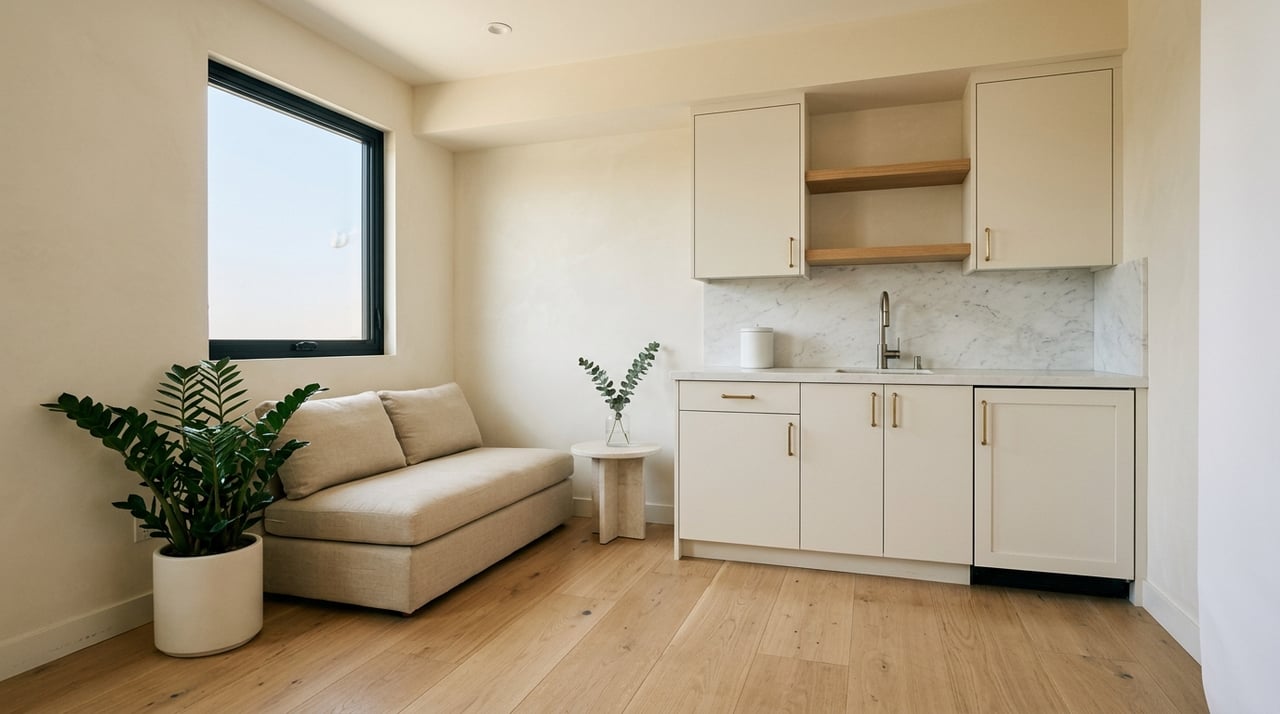
A condo in Brookline usually offers a simpler ownership structure on the surface, but it still comes with important details. Under Massachusetts law, you own your individual unit, while the condo association or trust manages common areas and facilities. That shared structure can include common expense assessments, reserve funds, and rules that shape how the building operates.
For many buyers, the biggest appeal is convenience. A condo can mean less direct responsibility for exterior upkeep and shared building systems, which may feel easier to manage in a town with many older properties. If you want a lock-and-leave lifestyle or a more predictable routine, that can be a strong advantage.
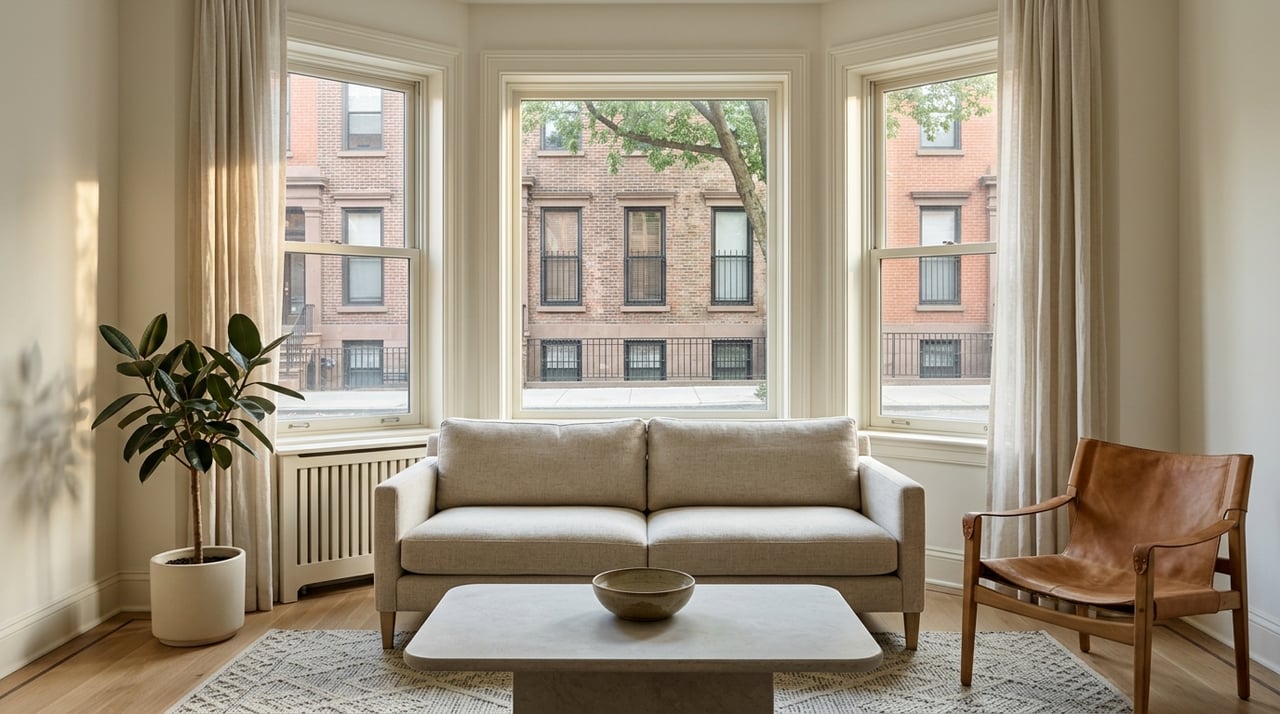
Brookline condo living is often tied to village-style areas and transit-oriented settings. The town’s zoning bylaw names places such as Coolidge Corner, Washington Square, Cleveland Circle, and Commonwealth Avenue districts, which are commonly associated with higher-density housing. If walkability and nearby amenities matter to you, a condo may put those features closer to your front door.
What condo ownership really includes
Condo ownership is not maintenance-free. The association typically handles common areas, but you still need to understand what is covered, what is not, and how future costs may be shared.
Massachusetts insurance guidance says the condo association’s master policy usually covers the building, common walls, and grounds. You as the unit owner generally need coverage for what falls outside that master policy. That means condo fees may reduce some direct maintenance tasks, but they do not remove financial responsibility.
Reserve funding matters too. A well-run building may plan ahead for repairs, while another building may rely more heavily on special assessments when major work comes up. In Brookline, where many buildings are older, that distinction can make a meaningful difference in your long-term budget.
Brookline single-family homes at a glance
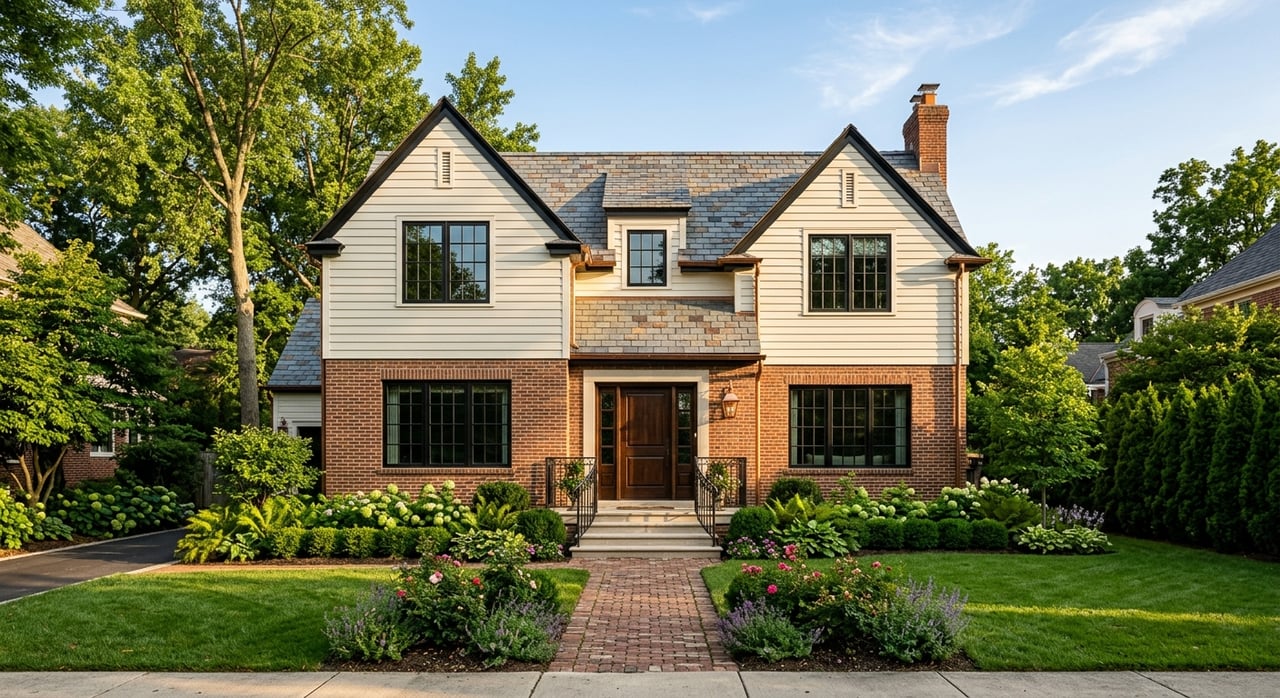
A single-family home usually offers more privacy, more independence, and more space to shape the property around your needs. In Brookline, that can range from smaller lots to much larger parcels, depending on the zoning district. The town’s housing plan notes that the largest single-family districts account for nearly half of Brookline’s land area.
The biggest draw is control. You are not working through an association for everyday property decisions, and that flexibility can be appealing if you want yard space, more separation from neighbors, or room to adapt over time.
That said, more control usually means more responsibility. You are taking on the planning, budgeting, and repair exposure yourself, which is especially important in a town where many homes were built before 1939. Older homes can be beautiful and durable, but they often require more attention and capital planning.
Flexibility can be a major plus
Brookline single-family ownership may offer more adaptability than some buyers expect. The town’s accessory dwelling unit guidance says owner-occupied single-family properties may legalize or create internal or attached ADUs, and owners may seek special permits to convert garages to ADUs.
For some buyers, that adds useful long-term flexibility. It may support changing household needs, guest space, or partial income support, depending on the property and the permitting path.
You should still plan for local review. Brookline’s housing plan notes that the permitting environment can be more involved than in many suburban markets, and major changes require careful due diligence. A single-family home gives you more freedom than a condo, but it does not remove local zoning and permitting rules.
Price and taxes: what to compare carefully
In Brookline, condos and single-family homes are not taxed under separate residential rates. The FY2026 residential tax rate is $10.24 per $1,000 of assessed value, and that same rate applies to both property types. The larger cost difference usually comes from purchase price, condo fees, insurance structure, and repair exposure.
Brookline also offers a residential exemption for qualified owner-occupants who use the property as their principal residence. For FY2026, the exemption deducts $354,974 from assessed value. That means eligibility can matter whether you buy a condo or a single-family home.
The purchase price gap is substantial. Brookline’s Community Preservation Plan said the average 2022 condo purchase cost was nearly $1 million, while the average single-family home cost was nearly $2.5 million. Exact numbers can shift over time, but the broader pattern is clear: single-family homes in Brookline usually require a much higher entry price.
Condo vs. single-family: the daily tradeoff
Here is the simplest way to think about it. A condo often gives you a lower entry point and a lighter maintenance load, while a single-family home often gives you more privacy and more control.
Neither option is automatically better. The better fit depends on what you want your daily life to feel like and how much uncertainty you are comfortable carrying in your monthly and long-term budget.
| Priority | Condo may fit better | Single-family may fit better |
|---|---|---|
| Lower upfront cost | Yes | Less likely |
| Exterior maintenance responsibility | Usually lower | Usually higher |
| Privacy and separation | Usually less | Usually more |
| Renovation control | More limited | More flexible |
| Walkability to village amenities | Often stronger | Varies by location |
| Yard space | Less common | More common |
| Long-term property flexibility | Building-dependent | Often stronger |
How to decide in Brookline
Start with your monthly comfort level, not just your mortgage target. In Brookline, you should compare taxes, condo fees if applicable, insurance, reserve contributions, and realistic repair costs. The structure of ownership changes who pays for what and when.
Next, think about your time and energy. If you do not want to manage exterior systems, shared-building living may feel easier. If having more control matters enough to justify more planning and maintenance, a single-family home may feel more aligned.
Then look at the specific property, not only the category. Brookline has condo conversions, established multifamily buildings, classic detached homes, and evolving zoning rules. In a market like this, each building or house deserves its own review.
A condo may be the better fit if you want
- A lower purchase price than a typical single-family home
- Less direct responsibility for exterior maintenance
- A lock-and-leave lifestyle
- Easier access to village centers and transit-oriented areas
- A more structured monthly routine
A single-family home may be the better fit if you want
- More privacy and separation
- Yard space or outdoor flexibility
- More control over renovations and property decisions
- Long-term adaptability, including possible ADU potential
- A home that can evolve with future needs
Why property-by-property review matters
Brookline’s housing stock is older, varied, and tightly held. That means two condos on the same street can have very different fee structures, reserve health, and maintenance outlook. The same is true for single-family homes, where age, lot size, and permitting potential can vary widely.
This is why broad assumptions can be misleading. A condo with strong reserves may feel more financially predictable than an older house needing near-term repairs. On the other hand, a well-maintained single-family home may offer better long-term flexibility than a condo with tighter building rules.
A careful review helps you compare the real ownership experience, not just the listing photos. That is often where the best decision becomes much clearer.
If you are weighing condo versus single-family living in Brookline, the right answer usually comes from matching the property to your life stage, financial comfort, and long-term plans. If you want thoughtful, detail-oriented guidance as you compare your options, connect with Juliana Safar.
FAQs
Is a condo cheaper than a single-family home in Brookline?
- Usually yes on purchase price, but you should also factor in condo fees, insurance needs, and the possibility of special assessments.
Do Brookline condos and single-family homes have different tax rates?
- No. Brookline’s FY2026 residential tax rate applies to both, so the bigger cost differences usually come from value, fees, and maintenance exposure.
Can a Brookline condo qualify for the residential exemption?
- Yes. A condo or single-family home may qualify if it is your principal residence and you meet the town’s filing requirements.
Can you add living space to a Brookline single-family home?
- Sometimes, but major changes require local due diligence, and accessory dwelling unit rules have specific conditions for owner-occupied single-family properties.
Where do many Brookline condo buyers start their search?
- Buyers often begin in or near places such as Coolidge Corner, Washington Square, Cleveland Circle, and Commonwealth Avenue districts, where Brookline supports more higher-density housing.
Is single-family living in Brookline always easier for renovations?
- It usually offers more control than a condo, but Brookline’s zoning, permitting, and design-review rules still matter for larger projects.