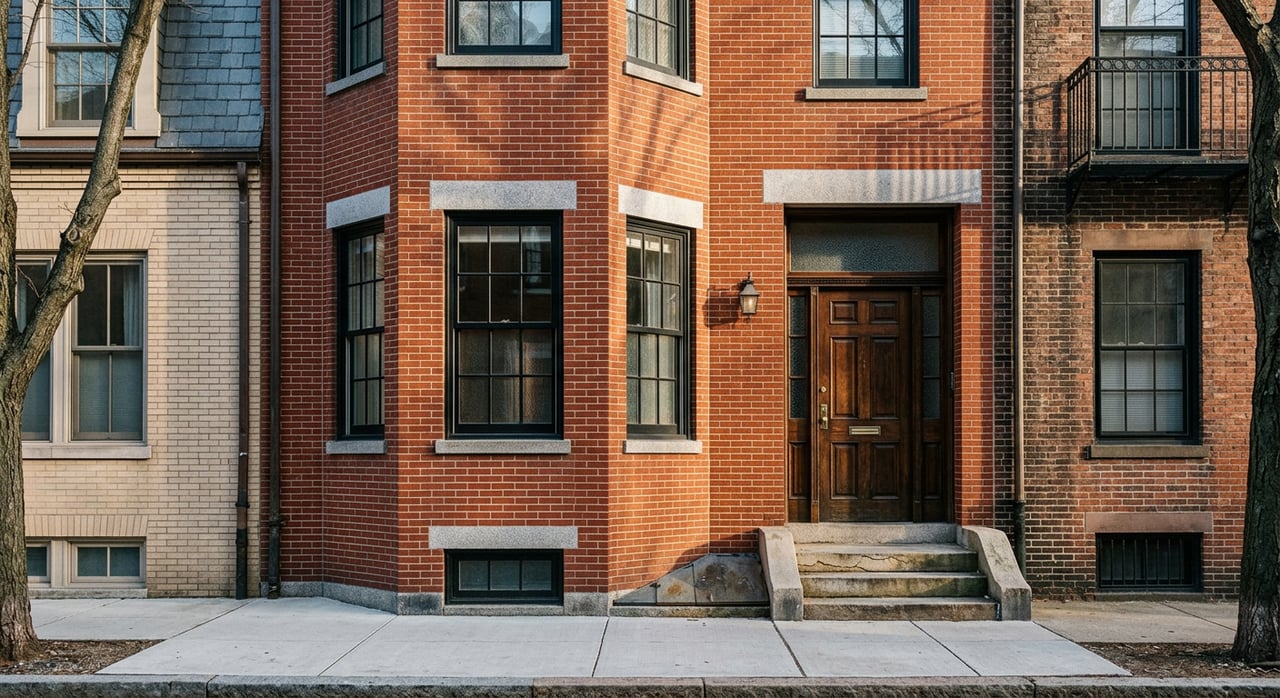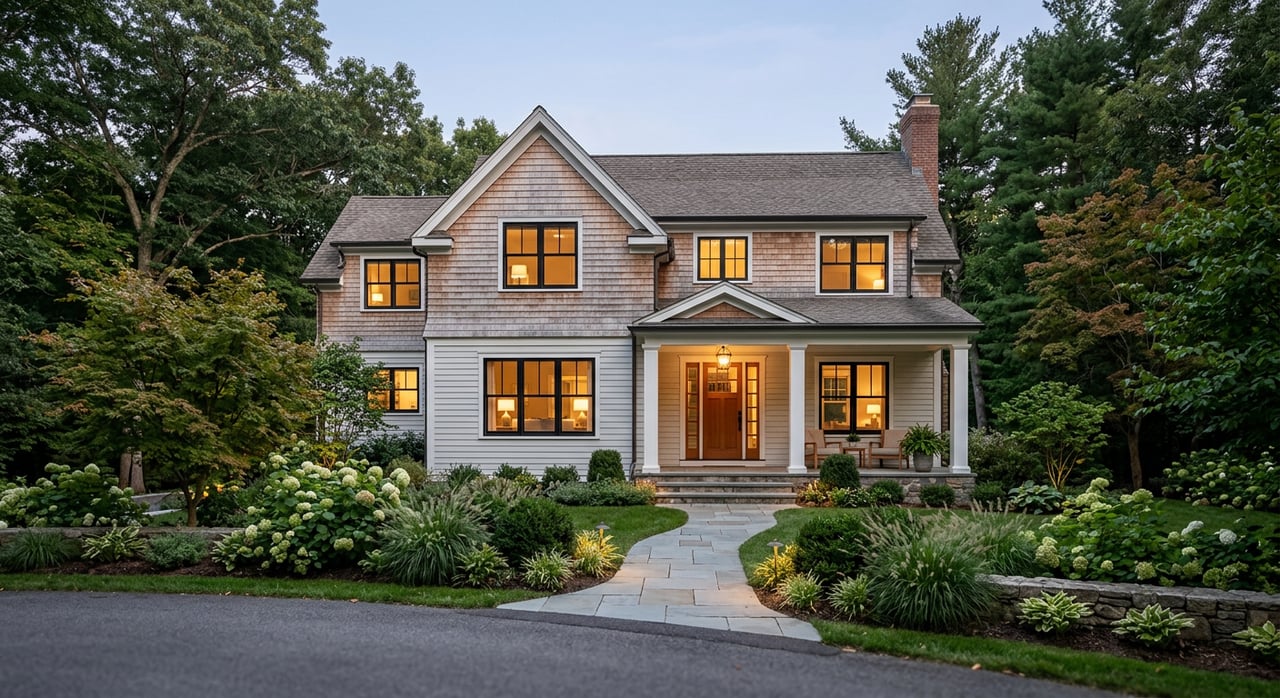
Thinking about trading your Brookline condo for a single-family home so you can spread out while staying close to Boston and the Green Line? You’re not alone. Many dual‑income households reach this point and wonder how to make the numbers, timing, and logistics work without major disruption. In this guide, you’ll see local price realities, what to budget for taxes and maintenance, smart timing strategies, and a clear 3–6 month plan to move up with confidence. Let’s dive in.
Brookline snapshot: what the numbers say
Brookline is competitive and priced at a premium. Recent local MLS data shows a wide gap: the median single‑family sale sits around $2.25M while the condo median is roughly $1.05–$1.16M, based on January 2026 figures. That gap drives bigger down payments and more aggressive offer terms for move‑up buyers. You can review the latest medians and months of supply in the Massachusetts association snapshot for Brookline.
Supply also explains the pressure. Town records show far more condos than standalone houses in Brookline: about 4,579 single‑family parcels versus 10,588 residential condominium parcels in FY2026. This scarcity helps fuel higher single‑family prices and frequent multiple‑offer scenarios in popular village areas like Coolidge Corner, Brookline Village, Washington Square, and Chestnut Hill. See the FY2026 assessor presentation for the parcel counts and tax context in the Town of Brookline’s classification presentation.
Low months of supply keep things moving. The same MLS snapshot shows roughly 2–4 months of single‑family inventory and about 1–1.5 months for condos in early 2026, a seller‑leaning market where speed and preparation matter. Review those inventory metrics in the Brookline market report.
Can you afford to move up?
If your condo’s value is near the local condo median and you target a typical Brookline single‑family at or near the median, you’re likely looking at a price gap of about $1.0–$1.3M. That translates into a meaningfully larger down payment and higher carrying costs. Start by modeling three scenarios: conservative, median, and stretch. Include mortgage principal and interest, taxes, insurance, and a realistic maintenance budget.
Brookline’s FY2026 residential property tax rate is $10.24 per $1,000 of assessed value. The town’s FY2026 presentation includes worked examples and a 20 percent residential exemption scenario. In that document, the median single‑family example results in an annual real estate tax near $20,900–$21,000 under the adopted classification. Review the rate, exemption, and examples directly in the FY2026 tax classification materials.
HOA fees vs single‑family costs
When you leave a condo, you typically trade HOA dues for direct expenses: full‑home insurance, exterior maintenance, snow and landscaping, and often higher utilities. Before you list, request 12 months of HOA financials, the current budget and reserve study, assessment history, and recent meeting minutes. Lenders review these for buyers, and any issues can slow or derail a sale. The key items lenders look for are laid out in Fannie Mae’s project review guidance.
Taxes when you sell your condo
If you have gain on the sale of your primary residence, federal rules may allow you to exclude up to $250,000 of gain if single or $500,000 if married filing jointly, if you meet the tests under IRC Section 121. You can read the full rules and exceptions in IRS Publication 523. Speak with your CPA for deal‑specific guidance.
Pick your timing strategy
There isn’t one right path. Choose the approach that fits your risk tolerance, financing, and family calendar.
Sell first. You lock in your net proceeds and avoid carrying two mortgages. The tradeoff is you might need interim housing or a short rent‑back from your buyer if your purchase closes later. In Brookline’s low‑inventory environment, patience and flexibility help.
Buy first with bridge or HELOC support. A buy‑first plan can make your offer more competitive, since you may not need a sale contingency. A short‑term bridge loan is interest‑only and designed to “bridge” until your condo sells, though rates are usually higher than a standard mortgage. A pre‑arranged HELOC can be a lower‑cost alternative if you have equity and time to set it up. For an overview of how these work, see this consumer bridge‑loan guide.
Sale contingency with a kick‑out clause. This can protect you if your condo hasn’t sold yet, but sellers in hot segments often resist sale‑contingent offers or accept only with strict timelines and pricing. Learn how kick‑out clauses typically work in this plain‑English explainer.
Rent‑back after closing. If you sell first, you can negotiate a short post‑settlement occupancy so you can close on the house and move once. Most rent‑backs run 30–60 days and require buyer and lender approval in the contract. Here’s a helpful overview of post‑closing rent‑backs.
Tip: Whichever path you choose, map out target list dates, offer windows, inspection periods, and closing timelines in a shared calendar. Build in a buffer for surprises.
Avoid condo financing traps
If you’re selling a condo, help your future buyer clear financing hurdles fast.
Warrantability and project eligibility. Many lenders follow Fannie Mae and Freddie Mac rules. Projects with high HOA delinquencies, active litigation, or heavy commercial space can be problematic. Ask your lender to check the project’s status early and review the requirements in Fannie Mae’s condo project guidance.
FHA/VA approvals. If your buyer needs FHA or VA financing, the building may need approval or a single‑unit review. You can learn how FHA approvals work in this FHA condo overview.
Documents to gather now. Budget and reserves, insurance certificates, meeting minutes, special assessment history, and a completed condo questionnaire are standard. Having these ready reduces underwriting delays.
Where to look in Brookline
Many buyers focus on village centers with Green Line access on the C and D branches for an easier commute into Boston. You’ll see strong interest in Coolidge Corner, Brookline Village, Washington Square, and Chestnut Hill. If schools are part of your plan, note that Brookline Public Schools receive high marks from third‑party evaluators, which is one reason families choose to remain in town. Check a neutral snapshot of district performance through Massachusetts school rankings, and always pair that with your own research.
Your 3 to 6 month checklist
Month 1: Prep and pre‑approval
- Get a detailed net‑proceeds estimate for your condo and a purchase budget for likely single‑family targets.
- Secure a strong pre‑approval sized for a move‑up purchase. If you might buy first, talk with two or three lenders about a bridge loan or HELOC and how each would be structured. A quick primer on bridge loans is here: bridge‑loan basics.
- If selling a condo, request HOA financials, reserve study, insurance certificates, meeting minutes, and any litigation disclosures.
Month 2: Listing prep and search focus
- Complete light repairs, paint, and staging that deliver a clear return when selling a condo in a premium market.
- Define target areas by commute and daily life. Consider proximity to Green Line stops, parks, and village amenities.
- Review Brookline’s FY2026 tax materials so your new‑home budget reflects the current rate and the residential exemption mechanics. See the FY2026 classification presentation.
Month 3: List, write, and negotiate
- List your condo with polished presentation and precise price banding to capture the widest buyer pool.
- Decide on timing: sell first, buy first with financing support, or pursue a sale contingency. If selling first, consider a short rent‑back.
- When making offers, align on what contingencies you can keep or waive. In low‑supply segments, speed and clean terms help.
Under agreement: diligence and logistics
- For the house: book a general home inspection, and add targeted checks for roof, structure, and any oil tank history. For pre‑1978 homes, follow the federal lead‑paint disclosure and consider a lead‑risk evaluation.
- If the property is in a historic district, confirm any approvals needed for exterior changes with the town early.
- Coordinate closings. When possible, use one settlement team for both sides and confirm wire instructions 48–72 hours in advance. For an overview of coordinating sale and purchase, see this step‑by‑step guide.
Ready to plan your move?
Moving up in Brookline takes a clear plan, grounded numbers, and calm execution. If you want a local, relationship‑focused partner to help you price your condo, structure timing, and target the right single‑family, I’d be glad to help. Start with a free, no‑pressure valuation and a custom move‑up plan from Juliana Safar.
FAQs
What is the current condo to single‑family price gap in Brookline?
- Local MLS data shows a median single‑family sale around $2.25M and a condo median near $1.05–$1.16M as of January 2026, highlighting a large move‑up gap. See the Brookline market snapshot.
How high are property taxes on a typical Brookline single‑family?
- The FY2026 residential rate is $10.24 per $1,000, and the town’s worked example for the median single‑family results in about $20,900–$21,000 in annual tax under the adopted classification. Review the FY2026 tax presentation.
What timing strategy helps my offer stand out in Brookline?
- A buy‑first plan supported by a bridge loan or HELOC can reduce contingencies and strengthen your offer, but it adds carrying risk. Selling first lowers risk but may require a rent‑back or short‑term housing. Learn how bridge loans work in this consumer overview.
Which condo documents should I gather before listing my Brookline unit?
- Collect 12 months of HOA financials, the current budget and reserve study, insurance certificates, recent meeting minutes, special assessment history, and any litigation notices. These align with Fannie Mae’s condo project review and speed buyer underwriting.
Do school ratings influence where Brookline buyers search?
- Many families consider schools, commute, and transit access together. For a neutral snapshot of district performance, see Massachusetts school rankings, then pair with your own research.