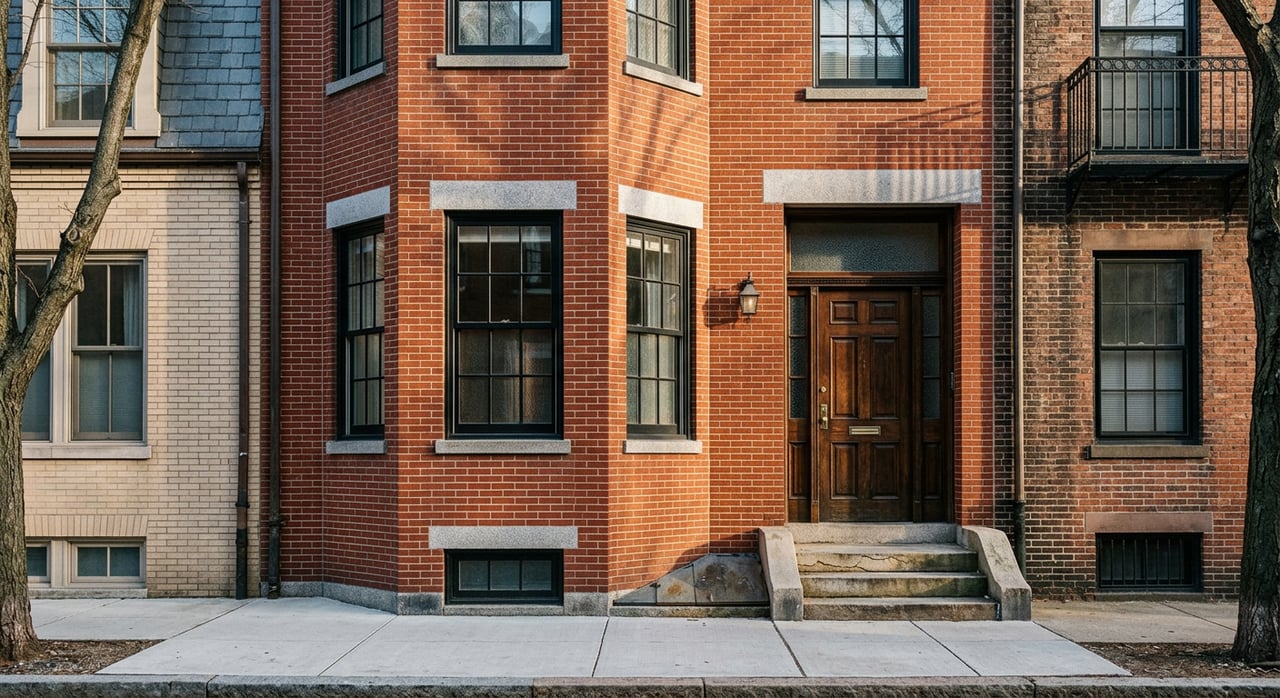
If you love the idea of stepping out your door for coffee, groceries, and a quick train ride into Boston, Brookline’s village centers may be your match. These compact hubs blend daily convenience with neighborhood charm, which is why many buyers put them at the top of their list. In this guide, you’ll see how each village feels day to day, what the commute is like, where locals go to unwind, and the practical trade-offs to expect. Let’s dive in.
What “village-center” living means here
Brookline’s village centers are small, walkable clusters of shops, cafés, libraries, and transit stops surrounded by residential streets. You can handle most errands on foot, and public transit is usually a short walk away. Coolidge Corner rates among the most walkable parts of town with a Walk Score around 93, which matches its lively, main-street feel (Walk Score’s Coolidge Corner page).
You will also find strong transit and bike access across the northern villages. Many residents use the Green Line for daily commutes and keep a car for weekend trips or special errands. Parks from the Emerald Necklace and local sanctuaries thread through these neighborhoods, giving you easy access to green space for a run, dog walk, or relaxing loop around the water (overview of the Emerald Necklace).
Village snapshots
Coolidge Corner
Coolidge Corner is the busiest, most “downtown” village. Evenings often look like this: dinner, an indie film at the nonprofit Coolidge Corner Theatre, and a short walk home. Anchors like Brookline Booksmith, a beloved independent bookstore covered by local media, keep the sidewalks active and friendly (a look at Brookline Booksmith’s community vibe).
The C branch of the Green Line runs along Beacon Street with stops right in the heart of the village, which makes Back Bay and downtown rides straightforward. Daily life is car-light here. On Thursdays from June to November, the Brookline Farmers’ Market adds extra energy for fresh produce and neighborly catch-ups.
Washington Square
Washington Square feels smaller and calmer while keeping a great mix of independent restaurants and small retailers. You still have Green Line access along Beacon Street, and buses connect you easily to nearby neighborhoods. Homes near the core include classic three-deckers and smaller condo buildings on tree-lined streets.
If you want the neighborhood feel with a little less bustle than Coolidge Corner, Washington Square offers a balanced daily rhythm. You can brunch, pick up essentials, and be on the train within minutes.
Brookline Village
Brookline Village is the civic heart, with Town Hall and the main library nearby. It has a true main-street feel with cafés, small shops, and family-friendly programming. The Puppet Showplace Theater sits right by the D branch station and is a frequent stop for caregivers and kids between errands and park time (Puppet Showplace directions and T access).
You will likely find your week shaped by quick library runs, easy lunch spots, and short hops on the Green Line D branch into Back Bay and downtown. It is a great everyday base if you want strong civic life outside your door.
Cleveland Circle
At the western end of Beacon Street, Cleveland Circle has a compact, transit-oriented feel with local shops and quick access to the reservoir loop. It is also convenient to the Chestnut Hill retail cluster while keeping you within Brookline’s village network.
Chestnut Hill (Brookline portion)
Chestnut Hill spans Brookline, Newton, and Boston, and it feels more suburban and upscale than the northern villages. You will notice park-like streets and larger retail options, plus quick access to outdoor runs and weekend errands. Keep in mind the municipal split affects taxes and school assignment.
Longwood and “Pill Hill”
South and southeast of Brookline Village, you will see historic, leafy streets with easy access to the Longwood Medical Area. Many clinicians and researchers choose this area for its short commute while keeping a residential, low-key feel. The housing mix includes stately homes and classic New England architecture on quieter streets.
A day in the life
- Morning: Coffee and a bakery stop are easy in Coolidge Corner and Washington Square. If you commute into Boston, you can walk to the C or D branch and ride in. Families often plan their route to include a quick playground stop before work.
- Midday: Local delis and cafés make “walk to lunch” a normal routine. Caregivers use nearby parks for after-school energy and book library events into the week.
- Evenings and weekends: Catch an indie film at the Coolidge Corner Theatre, browse the Brookline Farmers’ Market, or plan a reservoir or Emerald Necklace loop for fresh air. In cooler months, Larz Anderson and other local parks become go-tos for sledding and skating.
Commute and mobility basics
The C and D branches of the Green Line give you one-seat or one-transfer rides to Kenmore, Copley, and downtown. Typical train times from Coolidge Corner or Brookline Village to Back Bay often land in the 12 to 20 minute range of vehicle travel time. Your door-to-door time depends on your walk to the stop and wait times, so it helps to test your route during your normal commute window.
Be aware of near-term MBTA construction. Planned accessibility upgrades and station consolidation work on parts of the C branch can bring active work zones, sidewalk changes, and temporary stop adjustments in some areas. Before you commit, review current notices and visit during a construction window to see how it feels on your block (Boston Globe coverage of C branch work).
Parks and green space
One of Brookline’s best perks is how close you are to nature. The Emerald Necklace and local sanctuaries such as Hall’s Pond offer quiet escapes a few minutes from village storefronts. Many residents build a daily routine around reservoir loops, Olmsted Park paths, and nearby playgrounds, then tuck into cafés for a warm-up afterward. If outdoor access matters to you, map the nearest park entrances and sidewalks from your front door, not just from the center of the village.
For a quick overview of connected greenways and parkland across the area, explore the city’s Emerald Necklace resource.
Housing and budget reality
Brookline is a premium market compared with national averages. As of early 2026, third-party snapshots show typical home values above 1 million dollars townwide, with variation by village, building type, and condition. Prices tend to be strongest around the most walkable cores, especially in Coolidge Corner.
Housing types shift as you move village to village. You will see classic triple-deckers and brownstones near the northern centers, mid-rise condominiums around Coolidge Corner, and single-family homes and luxury condos around Chestnut Hill and Pill Hill. If you are considering a condo, request HOA budgets, parking policies, and any recent special assessments early. Fees, rules, and parking rights can vary even within the same block.
Families often choose Brookline for its schools and parks. The public school district has seen K–8 enrollment growth and continues to plan capital projects to manage space, so it is smart to confirm school assignment and the latest updates before you buy (Brookline Public Schools capital planning).
Practical trade-offs to know
- Parking and permits: Brookline enforces an overnight street-parking ban from roughly 2 to 6 AM townwide, with resident permits for daytime zones and a limited number of municipal overnight spaces that may include fees and wait lists. If you plan to own a car in a north Brookline village, understand your building’s parking options and the municipal-lot queue before you offer (WBUR overview of local parking rules).
- Transit construction: Expect occasional work periods on the Green Line, especially on the C branch, that may affect noise, sidewalks, or stop access. Check current notices and visit during active work when possible (C branch construction coverage).
- School planning: If schools are part of your decision, review boundary maps and timing for any capital projects that could affect facilities or assignments (district updates).
- Condo due diligence: Compare HOA reserves against building age and recent work, and confirm pet policies, rental rules, and any upcoming assessments.
How to choose your fit
Use these quick checks when you tour a home in any Brookline village:
- Time your walk to your top three daily anchors. That might be a specific T stop, a grocery, and a playground.
- Test your commute at your actual departure time, including wait time and walking routes.
- Map your closest park entrances and typical running or dog-walking loops.
- Confirm parking realities, including permits, guest options, and any municipal-lot wait list.
- For families, verify school assignment and current district planning.
- For condos, review the HOA budget, reserves, and any special assessments.
As a Brookline resident and advisor, I see clients thrive when they choose a village that matches their weekly routine, not just their wishlist. If you like a lively sidewalk scene and quick theater nights, focus on Coolidge Corner. If you want a quieter residential feel with great dining, Washington Square may fit. For a strong civic core and D branch access, Brookline Village is a smart base. Cleveland Circle and Chestnut Hill offer easy outdoor loops and retail access with a bit more breathing room.
When you are ready to compare options or want a tailored village tour, reach out. I am here to help you weigh the everyday trade-offs so your next move feels comfortable and well-timed.
Ready to explore Brookline’s village centers and find your match? Let’s connect. You can start a conversation with Juliana Safar. If you are a current owner, you can also request a Free Home Valuation to plan your next step with clarity.
FAQs
Which Brookline village is best for a car-light life?
- Coolidge Corner is the most walkable, with Washington Square and Brookline Village close behind. Focus on listings a few blocks from those cores for the easiest daily routine (Walk Score for Coolidge Corner).
How long is the Green Line commute from village centers?
- Typical vehicle travel times from Coolidge Corner or Brookline Village to Back Bay often fall in the 12 to 20 minute range, with door-to-door time depending on your walk and wait time.
Are Brookline schools a major draw and what should I check?
- Yes, many buyers choose Brookline for its schools and parks. Review current school-assignment maps and the district’s capital-planning updates before you buy (Brookline Public Schools).
Will MBTA work affect daily life near Beacon Street?
- It can. Accessibility and station changes on the C branch may bring temporary sidewalk, stop, or parking impacts. Check current notices and visit during work periods to gauge the effect (Boston Globe coverage).
What parking rules should I know before I buy?
- Brookline has an overnight street-parking ban and uses resident permits for daytime zones, with limited municipal overnight options. Verify your building’s parking and any lot wait list early (WBUR parking overview).