Thinking about buying a Boston two-family or triple-decker as your first investment? You are not alone, but you are stepping into a market where “starter” often still means a serious price point and a lot of moving parts. If you want to understand how small multi-family investing works in Boston, this guide will help you sort through property types, financing basics, operating costs, and the local rules that matter most. Let’s dive in.
What counts as small multi-family in Boston?
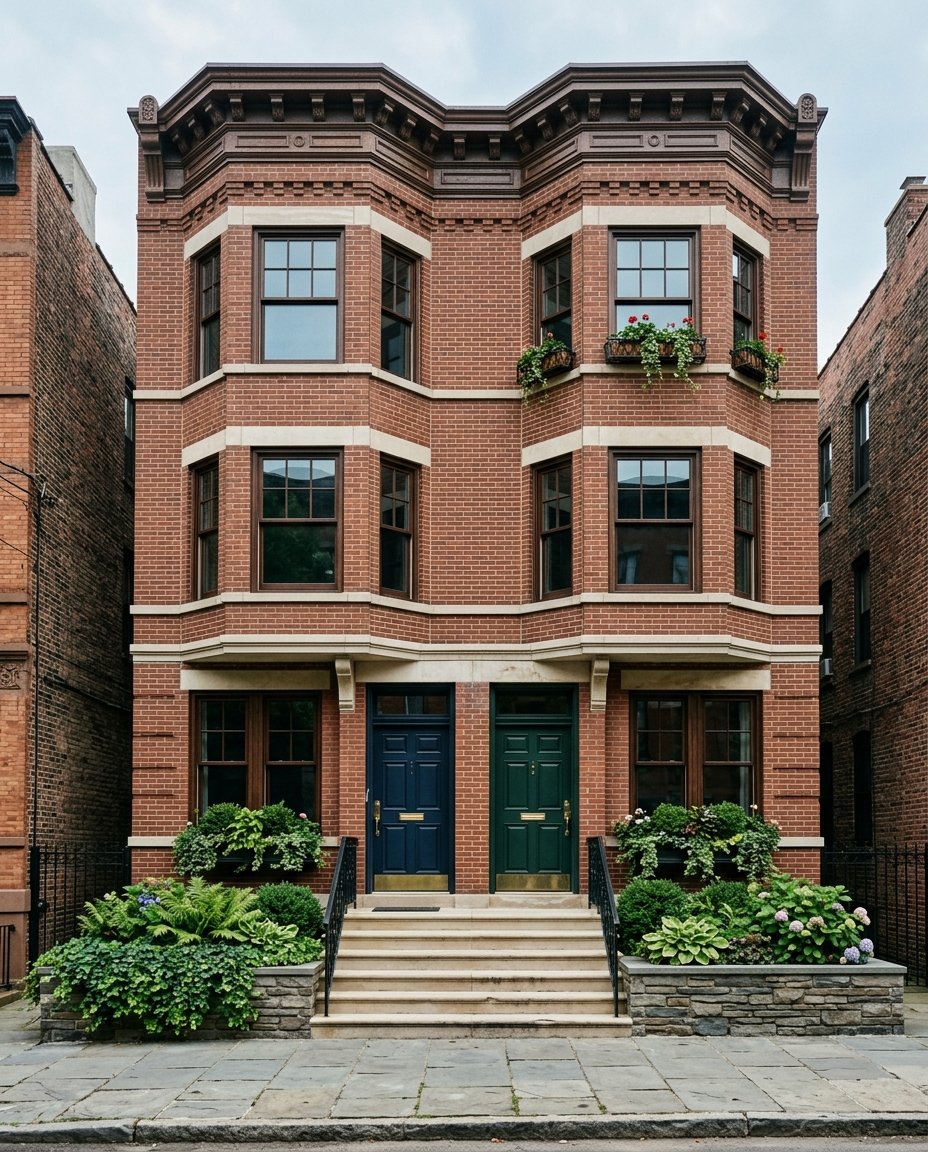
In Boston, small multi-family properties are commonly grouped into clear residential categories by the city. These include R2 for two-family homes, R3 for three-family homes, and R4 for buildings with 4 to 6 units.
You will also hear a lot about the classic Boston triple-decker, sometimes called a three-decker. The city has identified this as a well-known small-site multifamily housing type, and it remains one of the most recognizable entry points for buyers who want to live in one unit and rent the others.
Why Boston small multi-family draws buyers
For many buyers, a small multi-family home offers two goals at once. You can purchase a primary residence and create rental income at the same time, which can make a high-cost market feel more manageable.
That said, Boston pricing requires realistic expectations. Current market data shows about 259 multi-family homes for sale in Boston, with a median listing price around $1.3 million, median days on market near 33, and roughly 2 offers per listing.
For context, Boston’s citywide median listing price is about $899,000, and median rent is about $3,400 per month. That gap helps explain why small multi-family homes continue to attract buyers who want both housing and income potential.
What Boston prices look like
If you are searching for a “starter” property, it helps to understand how wide the price range can be. Boston’s official 2024 sales reports show two-family sales ranging from about $650,000 to $2.1 million.
Three-family sales ranged from about $725,000 to $2.6 million. In practical terms, that means location and condition can change the numbers quickly, even within the same property type.
Inventory is also concentrated in several parts of the city, including Dorchester, Jamaica Plain, Roslindale, Back Bay, and West Roxbury. That does not mean every option in those areas fits the same budget or investment plan, but it does give you a sense of where more opportunities may appear.
Owner-occupied financing basics
For many first-time multi-family buyers, owner-occupied financing is the most important place to start. FHA programs can apply to one- to four-family owner-occupied principal residences, which is one reason two-, three-, and four-unit properties stay on the radar for Boston buyers.
If you are looking at a three- or four-unit building, FHA uses a self-sufficiency rental-income test. In simple terms, that means the projected rental income is not counted at the full gross amount.
Instead, the formula applies vacancy and maintenance adjustments before that income can help support qualification. This is a helpful reminder to build your budget conservatively from the beginning.
MassHousing also offers owner-occupied 1 to 4 unit programs and landlord counseling for 2 to 4 unit properties. Some MassHousing products may also allow Boston-eligible down payment assistance, which can be meaningful if you plan to live in one of the units.
Why conservative cash-flow planning matters
A small multi-family can look great on paper if you only focus on top-line rent. In Boston, that can be risky, especially in older buildings where repairs, turnover, and operating costs can shift your numbers fast.
Even with a median rent around $3,400 per month citywide, your actual performance depends on unit mix, condition, taxes, insurance, maintenance, and vacancy. If you are running numbers before making an offer, it helps to assume expenses will be real and recurring, not occasional surprises.
A simple approach is to ask yourself a few practical questions:
- How much rent can you reasonably collect by unit?
- What happens if a unit turns over sooner than expected?
- What repairs are likely in an older Boston building?
- Will you manage the property yourself or budget for a property manager?
Those questions matter because financing and ownership costs in Boston reward careful planning, not optimistic guessing.
Boston property taxes to know
Property taxes are a major part of your monthly ownership cost. In Boston, taxes are based on assessed value, assessments are set as of January 1, and tax bills are issued quarterly.
For FY26, Boston’s residential tax rate is $12.40 per $1,000 of value. If you plan to owner-occupy the property as your primary residence, the residential exemption may also apply if you qualify.
According to the city, that exemption saved qualified homeowners up to $4,353.74 in FY26. For a buyer living in one unit, that can make a meaningful difference in annual carrying costs.
Rental registration and inspection rules
Once you own a rental property in Boston, registration is not optional. The city requires rental-property registration every year, with a July 1 deadline.
The city states that first-time registrations cost $25 per unit, while renewals cost $15 per unit. Late registrations can trigger a $300 monthly penalty, so this is one of those small administrative tasks that deserves attention right away.
Boston also states that rental properties are generally inspected once every five years. There is an important exception for buildings with six or fewer units where the owner lives in one unit, which are exempt from that inspection cycle.
If you live outside Massachusetts, the registration process also asks for an emergency contact. For out-of-state buyers considering Boston investment property, that detail matters early.
Lead paint and older-building issues
Many Boston small multi-family homes were built decades ago, so building condition should never be treated as a side issue. A full review of the property’s condition is essential before you buy.
Lead compliance is one of the biggest topics to understand. For pre-1978 housing, Massachusetts requires lead-paint disclosure when homes are sold or rented.
State lead law also requires the removal or control of lead hazards when a child under age 6 lives in the dwelling. If you are evaluating an older two-family or three-family, this is one of the first compliance questions to raise during due diligence.
Security deposit rules for Boston landlords
If your plan includes renting out one or more units, Massachusetts security-deposit rules are worth learning before closing. In general, the security deposit is capped at one month’s rent.
The law also requires a receipt and requires the deposit to be held in a separate interest-bearing account. These are not details to figure out later after move-in.
For first-time owners, this is a good example of why small multi-family investing is both a real estate decision and an operating business decision. Knowing the rules early helps you avoid preventable mistakes.
Fair housing compliance from day one
If you plan to rent units in your building, fair housing compliance starts with your advertising, screening, and communication. Massachusetts Attorney General guidance states that rental advertising and screening cannot discriminate based on protected categories such as race, religion, disability, familial status, or receipt of public assistance.
The guidance specifically warns against phrases like “No Children” or “No Section 8,” except in narrow statutory exceptions. For new landlords, the lesson is simple: use clear, factual, non-discriminatory language in every step of the rental process.
This is not just a legal formality. It is part of operating responsibly and professionally in Boston’s housing market.
A smart due diligence framework
Before you buy, it helps to create a repeatable review process for every property you consider. In Boston, a practical due-diligence stack usually includes the city’s Property Lookup tools, the property record card, official sales reports, a rent estimate by unit, and a full building-condition review.
These resources can help you compare a property against nearby sales instead of relying on assumptions. That is especially important in Boston, where two-family and three-family values can vary widely based on condition, layout, and location.
As you evaluate each opportunity, focus on a few grounded questions:
- Can you qualify with owner-occupied financing?
- How much rent can realistically be counted?
- What repairs or updates may be needed soon?
- Is the property lead-compliant?
- What will your tax and registration costs look like?
- Will you self-manage or hire help?
A thoughtful process does not remove all risk, but it can help you make a more confident decision.
What first-time Boston buyers should remember
The best first multi-family purchase is not always the biggest building or the one with the highest projected rent. Often, it is the property that matches your financing, your comfort with building condition, and your ability to manage the day-to-day responsibilities of ownership.
In Boston, that means balancing opportunity with discipline. A two-family, three-family, or small multi-family can be a powerful long-term investment, but success usually starts with realistic numbers, careful due diligence, and a clear plan for how you will operate the property after closing.
If you are exploring a Boston small multi-family purchase and want calm, detailed guidance through the search and evaluation process, Juliana Safar would be happy to help.
FAQs
What is considered a small multi-family property in Boston?
- In Boston, small multi-family properties commonly include two-family homes, three-family homes, and buildings with 4 to 6 units, which the city classifies as R2, R3, and R4.
Can you use FHA financing for a Boston multi-family home?
- Yes, FHA owner-occupied financing can apply to one- to four-family principal residences, though three- and four-unit properties must meet FHA rental-income qualification rules.
How much are Boston small multi-family homes selling for?
- Boston’s 2024 city sales reports show two-family sales ranging from about $650,000 to $2.1 million and three-family sales from about $725,000 to $2.6 million.
Do Boston rental properties need to be registered?
- Yes, Boston requires rental-property registration every year, with a July 1 deadline, per-unit fees, and potential monthly penalties for late registration.
What Boston landlords should know about security deposits?
- Massachusetts generally limits security deposits to one month’s rent and requires a receipt plus a separate interest-bearing account for the funds.
What should you check before buying a Boston triple-decker or two-family?
- You should review financing options, estimated rent by unit, building condition, tax costs, registration requirements, and lead-paint compliance during due diligence.