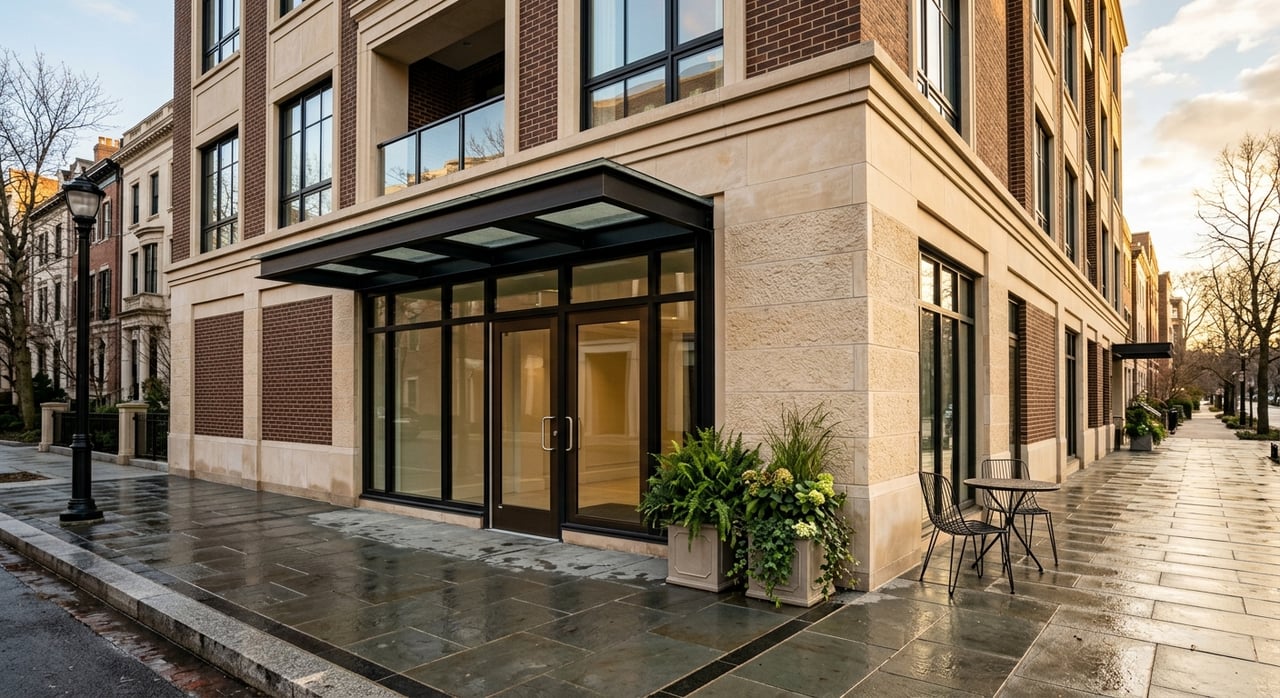
Moving to Boston can feel exciting and overwhelming at the same time. You may be juggling a new job, a new commute, a new budget, and a city that changes a lot from one neighborhood to the next. The good news is that a smart first-step plan can make your move feel much more manageable. In this guide, you’ll learn how to start your Boston home search, what to expect in the Massachusetts buying process, and which questions to ask before you begin. Let’s dive in.
Start With Boston Neighborhoods
Boston is not a one-size-fits-all market. Boston.gov describes the city as being defined by its vibrant neighborhoods, and that matters when you relocate because your day-to-day experience can look very different from one area to another.
That is why your search should begin with neighborhoods, not just with the word “Boston.” Instead of asking only, “What can I buy in Boston?” it helps to ask, “Which Boston neighborhoods fit my routine, budget, and move timeline?”
If you are commuting to work, think about how often you will go in, how you prefer to travel, and what kind of lifestyle you want around you. If you are moving from out of state or from another country, this neighborhood-first approach can help you narrow your options faster and avoid feeling pulled in too many directions.
Understand Boston Market Conditions
Boston remains an expensive and active market, but not every data source describes it in exactly the same way. March 2026 reports show a median sale price around $860,000, with homes often moving in about 28 to 33 days depending on the source and the market segment being measured.
The safest takeaway is simple: Boston is still moving quickly, and conditions can vary a lot by neighborhood, price point, and property type. Some homes receive multiple offers, while other parts of the market may feel more balanced.
That is especially important if you are relocating on a fixed timeline. You may not have the luxury of waiting weeks to decide once the right home appears, so early preparation matters.
Compare Areas Side by Side
Neighborhood-level data in Boston can vary widely in inventory and days on market. That means you should avoid assuming every part of the city behaves the same way.
A side-by-side comparison can help you stay realistic. As you evaluate neighborhoods, look at:
- Your target budget
- Typical home style, such as condo or single-family
- Inventory levels
- Days on market
- Commute patterns
- Building or association rules, if applicable
This kind of structured comparison is especially helpful when you are searching remotely.
Get Preapproved Before Touring
One of the most important first steps is speaking with lenders before you fall in love with a home. Buyers are encouraged to compare lenders early because once a seller accepts an offer, there may be only a short window to line up financing.
This matters even more if your move includes a new job, bonus income, overseas assets, or more complex documentation. Lenders may need to verify income, assets, and the source of your down payment, so it helps to organize those details in advance.
Preapproval also gives you a clearer budget. That can help you search with confidence and avoid wasting time on homes that do not match your numbers.
Budget Beyond the Down Payment
Your homebuying budget should include more than your down payment. Many buyers focus on the purchase price first, but ownership costs can extend well beyond that first number.
As you plan, make room for:
- Closing costs
- Property taxes
- Homeowners insurance
- HOA or condo fees, if applicable
- Moving expenses
- Repairs or improvements
- Furniture and setup costs
A complete budget gives you a more accurate picture of what feels comfortable after the move, not just what gets you to the closing table.
Learn the Massachusetts Buying Sequence
If you are relocating from another state, Massachusetts may feel different from what you are used to. The buying process here typically follows a set sequence, and understanding that sequence early can reduce stress.
In Massachusetts, the usual order is: offer, inspection, purchase and sale agreement, financing and appraisal, title work, and closing. The state’s homebuying guidance also makes clear that attorneys play an important role throughout the transaction.
This is an important point for relocators. Massachusetts is not a bare-minimum transaction state. Attorney involvement is part of the process, especially on the lending side, so it helps to expect a more formal structure.
Key Terms to Know
If you are new to the area, or if English is not your first language, a few terms can make the process easier to follow:
- Offer: Your written price and terms
- Inspection clause: A condition that lets you renegotiate or step back if major issues are found
- P&S: The purchase and sale agreement, which is the more detailed contract after the offer is accepted
- Closing: The final signing, when funds are delivered and ownership transfers
It also helps to know that your lender must send the Closing Disclosure at least three business days before closing.
Decide Whether to Buy Now or Rent First
Not every relocation needs to begin with a purchase. If your job start date is fixed or you want time to learn the city, a temporary rental can sometimes serve as a bridge.
That said, Boston’s rental market is still tight. January 2026 reporting for the Boston-Cambridge-Newton metro showed a median asking rent of $2,851, along with a 3.2% rental vacancy rate in 2025, which was the lowest among the nation’s 50 largest metros.
In practical terms, renting first may offer flexibility, but it may not feel inexpensive or easy. The right path depends on your timeline, finances, and how long you expect to stay in the area.
Build a Remote Search Plan
If you are moving from another city, state, or country, your search may need to happen largely from a distance. In that case, structure matters.
Remote buyers tend to benefit most from a clear system that includes live video tours, neighborhood comparisons, and prompt follow-up after each showing. That kind of process can help you make decisions with less guesswork.
A useful remote search plan often includes:
- A clear price range and monthly payment goal
- A short list of target neighborhoods
- Must-have and nice-to-have features
- A plan for virtual tours
- Fast communication by text, phone, or email
- A clear understanding of what can be signed remotely
Because Boston is so neighborhood-driven, this step is not just helpful. It is essential.
Ask the Right Questions Early
Before your search begins, it helps to ask practical questions that shape the process. This is true for any move, but it is especially important when you are relocating on a deadline.
Good early questions include:
- How will live virtual tours be handled?
- Which neighborhoods fit my budget and daily routine?
- How quickly will updates be shared?
- What happens if the inspection finds a problem?
- What can be handled remotely?
- What will require an in-person signature?
If you are considering a condo or HOA property, add another layer of questions. Review the rules, fees, parking policies, pet policies, rental restrictions, financial statements, and any current or potential special assessments before you commit.
Review Risk and Due Diligence Carefully
When you are buying from afar, it is easy to focus on finishes and floor plans first. But due diligence matters just as much.
Before making an offer, ask about flood risk and other disaster-related risks. Buyers also have the right to ask sellers about these issues, and an inspection clause can give you room to evaluate concerns before moving forward.
If the property is part of a condo or HOA community, make sure you understand how the rules may affect daily life. Parking, rentals, pets, exterior changes, and other property uses can all be shaped by association documents.
Protect Yourself During Closing
Remote closings can be convenient, but they also require care. Wire fraud is a real risk, especially when buyers receive last-minute emails with changed wiring instructions.
The safest approach is to confirm wiring instructions through a trusted contact using verified information you already have. Do not rely on a sudden email alone, and do not send financial information casually over email.
A little caution here can protect a major financial transaction.
Prepare for the Final Week
The days just before closing can feel busy, especially during a relocation. Having a checklist can keep the process calm and organized.
In the final stretch, make sure you:
- Review your Closing Disclosure on time
- Confirm utility setup for gas, electric, and water
- Keep moving documents in one place
- Verify closing instructions carefully
- Plan your address updates after closing
Once the purchase is complete, remember to update your banks, insurers, vehicle records, and other important accounts.
Your First Boston Move Should Feel Organized
Relocating to Boston is a major life transition, and it deserves a clear plan. When you start with neighborhoods, line up financing early, learn the Massachusetts process, and create a smart remote-search strategy, you give yourself a stronger foundation from day one.
Boston can move fast, and each neighborhood tells a different story. With thoughtful preparation and steady guidance, you can make confident decisions without feeling rushed or lost in the process.
If you’re planning a move to Boston or the surrounding area, Juliana Safar offers thoughtful, detail-oriented guidance to help you navigate your next step with confidence.
FAQs
What are the first real estate steps when relocating to Boston?
- Start by narrowing your target neighborhoods, comparing lenders, getting preapproved, and building a realistic budget that includes closing costs, taxes, insurance, and moving expenses.
How competitive is the Boston real estate market for relocating buyers?
- Boston remains expensive and active, with spring 2026 data showing homes often selling in about 28 to 33 days, though conditions can vary by neighborhood, price point, and property type.
How is the Massachusetts homebuying process different for Boston buyers?
- In Massachusetts, buyers typically move from offer to inspection to purchase and sale agreement, then financing, title work, and closing, with attorney involvement being a normal part of the process.
Should you rent first before buying a home in Boston?
- Renting first can offer flexibility if your move timeline is tight, but Boston’s rental market is also competitive, with high asking rents and low vacancy, so the right choice depends on your timeline and finances.
What should remote buyers ask before purchasing a Boston condo?
- Ask about HOA or condo fees, special assessments, rental restrictions, parking, pets, reserve health, and any rules that could affect how you use the property.
What safety steps matter during a remote Boston closing?
- Confirm wiring instructions through trusted, verified contacts, review your Closing Disclosure on time, and avoid acting on last-minute email changes without independent verification.